First Day Survival Guide
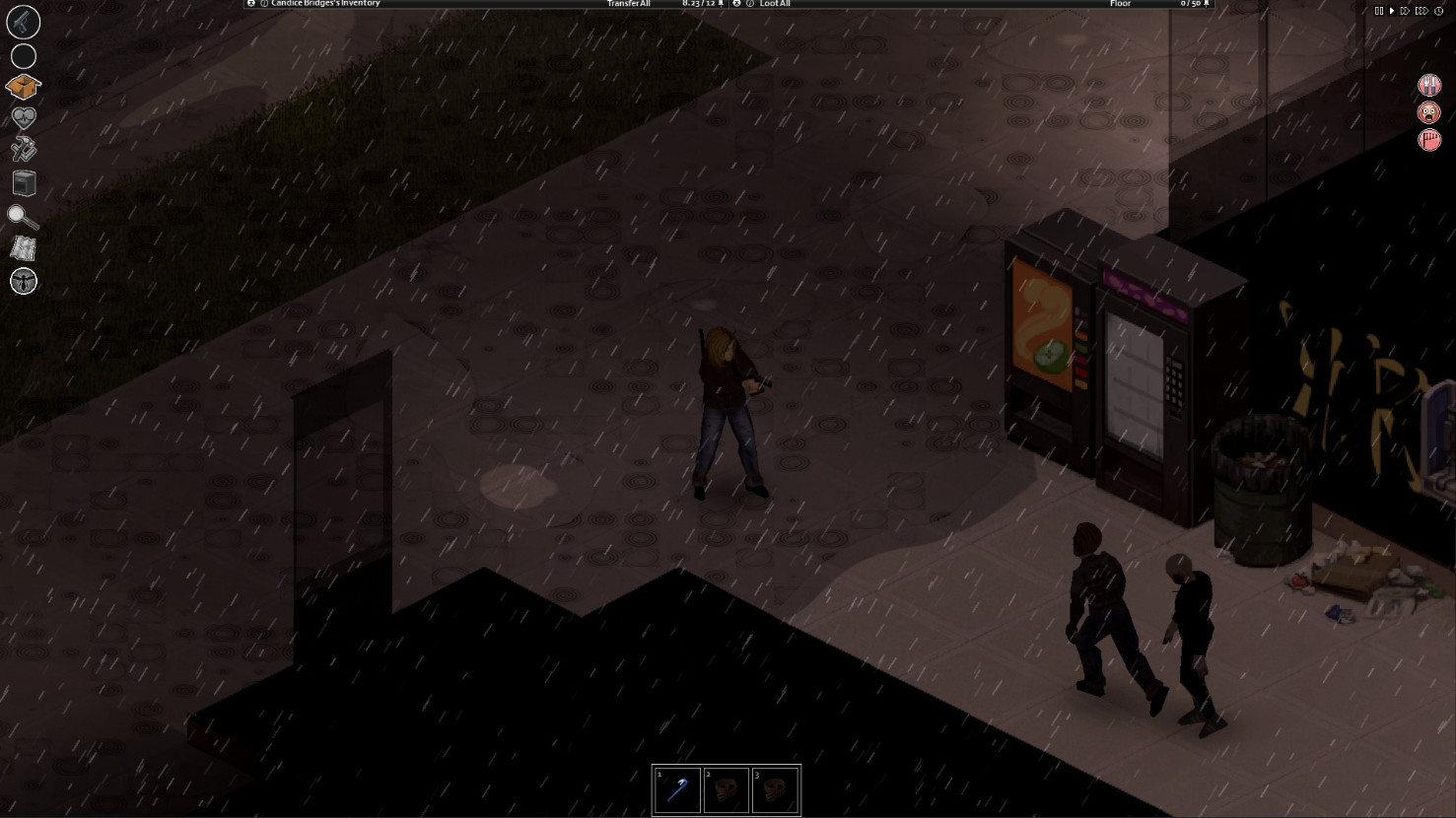
Your first mistake is thinking food matters more than safety.
What Actually Matters On Day One
New survivors burn their first day looting kitchens for food. That is the wrong instinct. On Day One you are not going to starve — the hunger system is slow, and almost every house has enough food to carry you through the first week. What kills you on Day One is noise, panic, and getting cornered.
Treat the first day as a reconnaissance run. Learn which direction the zombie density increases, find a house with two exits, and avoid drawing a crowd you cannot out-walk. A quiet, boring first day is a successful first day.
Immediate Priorities
- A reliable melee weapon — even a kitchen knife or a sturdy branch beats bare hands
- A water bottle you can refill before the water shuts off
- A backpack or bag so you are not click-juggling loot
- A safe temporary shelter with at least two ways out
Notice what is not on that list: guns, cars, skill books. Those are Week One problems. Day One is about being mobile, hydrated, and armed enough to handle a single zombie without a fight becoming an event.
Combat Basics
- Shove to create space, then stomp downed zombies — this is your safest damage
- Fight along fences so zombies funnel to you one at a time
- Watch your endurance moodle; a tired survivor swings slow and misses
- Never sprint unless you are already committed to running
Experienced players repeat the same advice for a reason: walk, do not run. Sprinting drains endurance fast, makes noise, and turns a manageable group into a chase. Multi-hit (a sandbox option) is worth enabling while you learn — it lets one swing connect with a small cluster instead of getting you swarmed mid-animation.
Common Beginner Deaths
- Panic sprinting into a second group while fleeing the first
- Fighting indoors where you cannot back up or see flankers
- Letting the exhaustion moodle stack until swings whiff
- Over-looting — staying in a building long after it stopped being worth it
- Standing in the open during the helicopter event
Almost every Day One death traces back to one of these. None of them are about bad luck. They are about staying somewhere too long or moving too fast.
Recommended Sandbox Settings
- Lower zombie population while you learn the combat rhythm
- Multi-hit enabled so clusters are survivable
- Easier car spawns and condition if you want early mobility
- Bite-only infection so scratches stop ending runs you could have saved
There is no shame in customising sandbox settings. Apocalypse difficulty is a specific, punishing experience — it is not the "correct" way to learn the game. Dial population and infection down, master shove-stomp and fence-fighting, then ramp the difficulty back up once the fundamentals are automatic.
“Do not trust a single queasy moodle. Stress feels a lot like infection.”