Common Beginner Mistakes in Project Zomboid
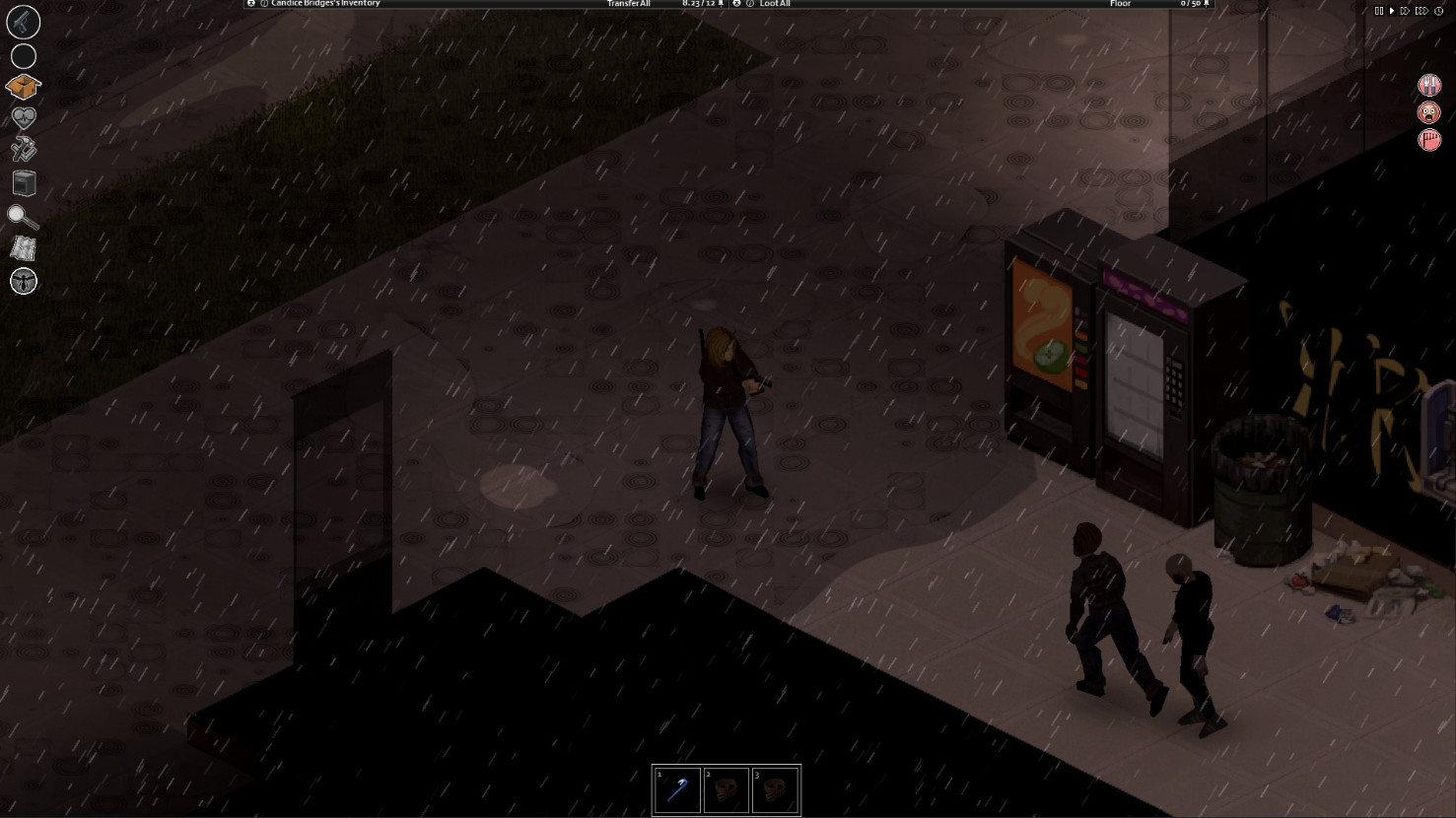
Most new survivors do not die because Knox County is unfair. They die because they keep giving the game extra chances to punish them.
Overview
Project Zomboid is brutally honest about one thing: every run ends. The useful question is whether the death taught you something. Most beginner deaths follow a pattern. A new player sprints because the horde looks scary, fights indoors because the loot looks useful, grabs too much because every item feels important, then panics when the first sickness moodle appears.
The mistake is treating each danger as a separate emergency. Experienced survivors think in systems: noise, endurance, escape routes, line of sight, food timing, water timing, and risk budget. If one of those systems is already stressed, they stop adding more risk. That one habit is the difference between surviving a messy first week and turning a promising run into a corpse in a kitchen.
Why It Matters
Beginner mistakes are expensive because Project Zomboid has very little mercy after the first bad decision. You can survive one poor fight, one late loot run, or one bad scratch. You usually cannot survive all three stacked together while tired, panicked, over-encumbered and far from an exit.
This is why veteran advice often sounds boring: walk more, loot less, fight outside, clear your exit first. Those are not slogans. They are risk controls. The player who follows them gets more days to learn. The player who ignores them is forced to relearn character creation.
Practical Uses
Use this guide as a checklist before you leave the safehouse. Ask three questions: can I leave fast, can I fight one zombie safely, and can I abandon the loot without feeling committed? If the answer to any of those is no, the trip is already too risky.
The most practical habit is to make every action reversible. Park the car facing out. Open curtains before looting a room. Clear the yard before sleeping. Drop heavy loot in a pile instead of carrying it through a fight. Mark dangerous streets on the map and come back later. Project Zomboid rewards the player who can retreat without improvising.
Common Mistakes
The big beginner mistakes are not isolated trivia. They usually chain together: sprinting creates exhaustion, exhaustion makes combat worse, bad combat causes wounds, wounds create panic, and panic leads to worse route choices. The safest fix is to break the chain early.
Use the sections below as warning signs. If you catch yourself doing two of them at once, stop the run's momentum and reset: leave the building, drop weight, walk away, eat, rest, or mark the location for later.
Mistake 1: Running Everywhere
Sprinting feels natural because zombies are frightening. It is also one of the fastest ways to die. Running creates noise, burns endurance, and often carries you into a second group while the first one is still following. Once exhaustion stacks, your swings get worse, your movement gets worse, and a fight you could have handled becomes a spiral.
The better habit is to walk. Default zombies can usually be out-walked, and walking keeps enough stamina in reserve to climb a fence, shove a zombie, or jog for a short burst when it actually matters. Run only to break line of sight, cross a dangerous open gap, or escape a mistake you already made.
Mistake 2: Fighting Indoors
Indoor fights kill beginners because the room hides information. Zombies behind doors, around corners, or pressed against windows can surprise you at exactly the moment your weapon animation locks you in place. Even one extra zombie can turn a clean fight into a bite if you have no space to back up.
Experienced players drag fights outside whenever possible. Knock on a window, shout from a safe distance, or open a door and retreat before committing. A driveway or yard gives you camera visibility and room to kite. A hallway gives the zombie a chance to be closer than you thought.
Mistake 3: Over-Looting
New players loot like they are trying to win the house. The real goal is to survive the trip. Carrying four frying pans, six books, three radios and every can in the kitchen makes you slower right when speed matters. Encumbrance is not just inconvenience; it is a combat penalty waiting to become a death.
Loot by priority. On the first day, take water, a bag, a weapon, basic food, medical supplies and a few essential tools. Skill books, furniture, decoration and extra canned food can wait. If you find more than you can carry safely, make a stash and come back with a car. The item is not yours until you get home alive.
Mistake 4: Treating Guns Like A Solution
Firearms feel powerful, and they are. They are also loud enough to turn a small problem into a neighborhood problem. A beginner who fires a shotgun in town often survives the first minute and dies to everything the sound pulled in afterward.
Use guns when you understand the noise consequence and have an exit plan. They are best for planned horde clearing, emergency base defense, or multiplayer roles where teammates can cover you. For ordinary early looting, a quiet melee weapon is usually safer than a loud victory.
Mistake 5: Ignoring Water, Power, And The Calendar
The early game has a hidden timer. Water and power will eventually shut off, fresh food will spoil, and the helicopter event will test whatever routine you have built. Beginners often spend the first week collecting random loot while ignoring the systems that actually change the run.
Fill containers before you need them. Eat perishables before canned food. Read skill books before grinding skills. Know where a water source is. Do not build your entire plan around a fridge that will stop working. The first week is not just about surviving today; it is about avoiding a crisis you can already see coming.
Strengths Of The Safer Beginner Approach
- You survive long enough to learn combat, vehicles, traits and maps instead of restarting constantly.
- You build habits that still work on harder sandbox settings.
- You waste fewer supplies because you fight fewer unnecessary fights.
- You have time to scout base locations instead of settling in the first house that feels quiet.
- You become less dependent on lucky loot because your route planning improves.
The conservative approach can feel slow, but slow is how you get information. Information is the strongest resource in Project Zomboid because it prevents the surprise that kills you.
Weaknesses And Tradeoffs
Playing safely has a cost. You will loot fewer buildings per day, delay exciting weapon runs, and sometimes abandon a trip that probably would have been fine. That restraint can feel inefficient, especially after you have watched experienced players clear entire streets with confidence.
The tradeoff is worth it while you are learning. Speed becomes valuable only after your fundamentals are automatic. Once you can judge zombie spacing, endurance, weapon durability and escape routes instinctively, you can take bigger risks. Until then, patience is not cowardice; it is training.
Community Opinions
Across community discussions, the most repeated beginner advice is remarkably consistent: stop sprinting, stop fighting indoors, stop treating every wound as instant doom, and stop being ashamed to adjust sandbox settings. Players disagree about traits, towns and weapon favorites, but they usually agree that most early deaths are self-inflicted by impatience.
There is also a strong community split around difficulty purity. Some players insist Apocalypse-style settings are the real experience. Many long-time players push back on that and recommend easier sandbox settings while learning combat and map flow. The practical recommendation is simple: learn the game on settings that let you practice, then make it harder when the deaths are educational rather than random-feeling.
Recommendations
- Start in a lower-density town such as Rosewood or Riverside if you are still learning.
- Take beginner-friendly traits that buy survival margin, especially Athletic, Strong or Keen Hearing if your point budget allows it.
- Use Smoker, Weak Stomach and similar manageable negative traits only if you understand the habit they require.
- Prioritize a working vehicle, but do not risk your run for a car parked in a dense street.
- Treat the helicopter event as a scheduled disruption, not a surprise apocalypse.
- Make your first base temporary; your first safehouse is a staging area, not a forever home.
If I were starting fresh today, I would build a survivor around endurance and awareness, loot only enough for two days, establish a temporary edge-of-town safehouse, and spend the first week learning the local roads. The best beginner strategy is not heroic. It is boring, repeatable and easy to recover from when something goes wrong.
Related Articles
Read the First Day Survival Guide for a day-one checklist, then the First Week Guide for water, food and vehicle priorities. If wounds are confusing, go straight to How Infection Actually Works. For character planning, compare Traits and Occupations. For route planning, use Best Base Locations and the Vehicle Guides.
“A working car changes the entire game — make finding one an early priority.”